If you’ve ever stood in a skincare aisle, squinting at a shelf full of cleansing oils, balms, foaming gels, and micellar waters, you’re not alone. For years, I assumed a cleanser was just a cleanser—until I tried a cleansing balm for the first time and realized I’d been skipping one of the most effective, gentle steps for my skin. As a cleansing supplier, I get questions about cleansing balms almost daily: What are they, exactly? How do they work? And are they actually better for my skin than what I’m already using? Today, I’m breaking down everything you need to know about this skincare staple, straight from someone who’s spent years formulating and testing these products for real people with all different skin types. Cleansing
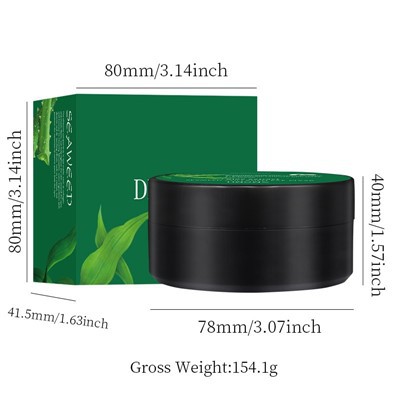
First, let’s cut through the marketing jargon and get to the science of what a cleansing balm is. At its core, a cleansing balm is an oil-based, solid-to-semisolid cleanser that combines skin-loving oils, emollients, and sometimes a small amount of emulsifier to turn into a milky, rinseable liquid when mixed with water. Unlike foaming cleansers that rely on sulfates (like sodium lauryl sulfate, or SLS) to lather and strip away dirt, cleansing balms work on the principle of “like dissolves like”—a basic chemistry rule most of us learned in high school, but one that’s transformative for skincare. Makeup, sunscreen, and daily grime (think pollution, sweat, excess sebum) are all oil-based, so a product made with natural oils can break down and lift them without irritating the skin’s protective barrier.
Let’s talk about the key ingredients that make a cleansing balm effective, because not all balms are created equal. The base is almost always a combination of carrier oils: things like jojoba oil, which mimics the skin’s natural sebum so it’s easily absorbed; sweet almond oil, rich in vitamins A and E to soothe dry skin; coconut oil, which has antimicrobial properties great for acne-prone skin (though it’s important to note it can be comedogenic for some people, so we use a refined version in our balms to minimize that); and shea butter, a thick emollient that adds hydration and a creamy texture. To make the balm easy to rinse, we add a gentle emulsifier—usually something like polysorbate 80 or glycerin—that binds the oil and water phases together, so when you massage the balm into dry skin, add a tiny bit of water, and rub it, it emulsifies into a milky substance that washes away completely without leaving an oily residue.
Now, let’s address the biggest misconception I hear from customers: “Oils will make my skin oily.” That’s a myth that’s stuck around for far too long, and it’s time to debunk it. Your skin produces sebum to keep itself moisturized, but harsh foaming cleansers can strip that sebum away, triggering your skin to overproduce oil to compensate. Cleansing balms, on the other hand, work with your skin’s natural oil balance. They dissolve excess oil (like leftover sebum) and makeup without drying out the skin’s outer layer, which means your skin stays balanced throughout the day. I’ve seen this firsthand with customers who switched from a drying foaming cleanser to a cleansing balm: within a week, many reported less tightness, fewer breakouts from over-stripping, and even makeup that sits better on their skin because the base layer isn’t parched.
That said, cleansing balms aren’t one-size-fits-all, and knowing which type is right for your skin will make all the difference. Let’s break it down by skin type, since that’s a question we get a lot from our B2B and retail clients:
- For dry skin: Look for a balm with higher concentrations of rich oils like shea butter, avocado oil, and argan oil. These balms will add extra hydration, which is perfect for people who deal with flakiness, tightness, or eczema flare-ups. We formulated our best-selling dry-skin balm with organic argan oil and cold-pressed shea butter specifically for that reason, and it’s been a game-changer for so many of our customers with sensitive, dry complexions.
- For oily or acne-prone skin: Don’t worry—you can still use a cleansing balm! Just opt for a lighter formula that uses non-comedogenic oils like jojoba oil, safflower oil, and grapeseed oil, which won’t clog pores. Avoid balms with too much coconut oil if you’re acne-prone, as it can be heavy for some. Our lightweight balancing balm is made with jojoba and tea tree oil (in a gentle, non-irritating concentration) to break down makeup and excess oil without clogging pores, and it’s been tested by dermatologists to not cause breakouts.
- For sensitive skin: Sensitive skin needs extra gentle, fragrance-free balms that skip harsh ingredients like synthetic fragrances, alcohol, and high concentrations of essential oils. Look for balms with soothing ingredients like chamomile extract, oat kernel oil, and squalane, which calm irritation without stripping the skin. Our fragrance-sensitive cleansing balm is dermatologist-tested for sensitive skin, and we never add any synthetic fragrances or parabens, so it’s safe for even the most easily irritated complexions.
- For combination skin: If you have an oily T-zone and dry cheeks, a balancing balm is the way to go. It will gently clean the oily areas without over-drying the cheeks, keeping your skin balanced all over.
Now, how do you actually use a cleansing balm correctly? A lot of people misuse them, which can lead to that “oily residue” complaint, so let’s walk through the step-by-step. First, make sure your skin is completely dry—this is key! If your skin is wet, the balm won’t emulsify properly. Take a small amount (about the size of a quarter for short hair, a half-dollar for long hair or heavy makeup), rub it between your fingertips to warm it up, then massage it into your face in circular motions for 60 seconds. This isn’t just for show: it takes time for the oils to break down long-wear makeup, waterproof sunscreen, and even stubborn mascara. Once you’ve massaged your entire face, add a tiny bit of lukewarm water (start with a teaspoon, you can add more) and continue massaging—you’ll feel the balm turn milky as it emulsifies. Finally, rinse your face with lukewarm water, and follow with your regular toner and moisturizer. That’s it! No heavy scrubbing, no residue, just a clean, balanced canvas.
I should also mention that cleansing balms are so versatile—they’re not just for removing makeup. Many of our customers use them as a pre-cleanse step, especially if they wear heavy, long-wear makeup or workout regularly. Double cleansing (pre-cleanse with an oil or balm, then a water-based cleanser) has become a huge trend for good reason: it ensures you’re removing every trace of makeup, sunscreen, and pollution that regular cleansers might miss. Even if you don’t wear makeup, a cleansing balm can help remove the daily grime that foaming cleansers leave behind, like the tiny particles of pollution that stick to your skin and can cause long-term damage.
As a cleansing supplier, we put a lot of work into making sure our balms are not only effective but also safe. We source our ingredients from sustainable, ethical suppliers, test every formula for dermatological safety, and make sure none of our products contain parabens, sulfates, phthalates, or synthetic fragrances. We also recognize that different brands have different needs—whether you’re a small indie brand looking to add a high-quality cleansing balm to your line, or a large retail chain wanting to expand your skincare offerings, we work with partners to create custom formulas that fit your brand’s values and your customers’ needs.
One thing I’ve learned over the years in this industry is that skincare isn’t one-size-fits-all, and the best product is the one that works for your unique skin. Cleansing balms have come a long way from the early, greasy formulas that left people feeling like they had a film on their skin. Today’s modern cleansing balms are lightweight, nourishing, and effective for almost every skin type—you just have to find the right one for you.
If you’re a brand looking to add a high-quality cleansing balm to your product line, or you want to learn more about custom formulations that fit your brand’s needs, we’re here to help. Our team has years of experience formulating cleansing products for all skin types, and we work closely with each partner to ensure every product meets your standards and delivers real results for your customers. Don’t hesitate to reach out to our team to discuss your needs, ask questions about our current formulas, or explore custom options that will help your brand stand out in the skincare market.
Facial Skincare References
- American Academy of Dermatology. (2022). How to Care for Your Skin Barrier.
- Draelos, Z. D. (2019). Cleansing Agents in Skincare: A Review of Current Formulations and Clinical Efficacy. Journal of Cosmetic Dermatology.
- National Center for Biotechnology Information. (2021). The Role of Lipids in Skin Barrier Function and Cleansing.
- Roebuck, M. (2020). The Science of Oil Cleansing: Principles and Best Practices. International Journal of Cosmetic Science.
- American Academy of Clinical Dermatology. (2023). Choosing the Right Cleanser for Your Skin Type.
Guangdong Daimeishi Biotechnology Co., Ltd.
As one of the most professional cleansing manufacturers in China, we offer a wide range of products with superior quality. Please rest assured to buy bulk cleansing in stock here from our factory. If you have any enquiry about pricelist, please feel free to email us.
Address: Room 304, Building 3, Quantum Creation Space, No. 4, Industrial 2nd Road, Jiahewanggang, Baiyun District, Guangzhou
E-mail: 371190615@qq.com
WebSite: https://www.zgdms.com/
