If you work in industrial process control, chances are you rely on vortex flow meters to measure the flow rate of liquids, gases, and steam. These rugged, reliable devices are designed to deliver accurate readings over long periods, but like any piece of precision equipment, they need regular calibration to keep performing as intended. As a vortex flow meter supplier with over a decade of experience supporting manufacturing, oil and gas, food and beverage, and water treatment operations, I’ve seen firsthand how skipping proper calibration steps can lead to costly downtime, product waste, and safety risks. Today, I’m walking you through the step-by-step calibration process that we recommend for every client, plus common mistakes to avoid, so you can get the most out of your flow meters. Vortex Flow Meter
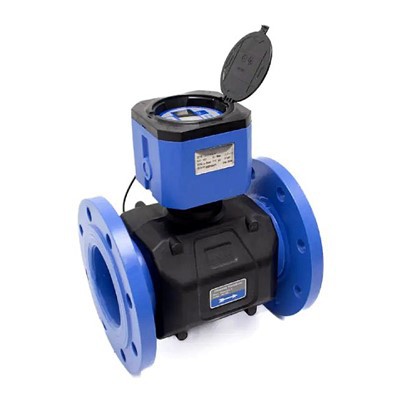
First, let’s get one thing straight: calibration isn’t a one-size-fits-all task. The process depends on whether you’re calibrating in-situ (right where the meter is installed on your pipeline) or off-site (removing the meter to test it in a controlled lab environment). Most small operations lean toward in-situ calibration because it cuts down on downtime, while large facilities with dedicated process test bays often opt for off-site testing for higher accuracy. Before you start, you’ll need a few key tools: a calibrated reference flow meter with a known accuracy of at least 0.2% or better (the industry standard for comparison), a portable data logger to track readings, a pressure gauge and temperature transmitter to account for fluid properties, and safety gear appropriate for your process (think gloves, goggles, and lockout/tagout tools if working with live pipelines). A common mistake first-timers make is skipping the lockout step—never work on a live pipeline, even if you think the flow is shut off.
Let’s start with off-site calibration, which is what we recommend for new meters straight out of the box, or for meters that have been removed for extended maintenance. First step here is preparing the meter for testing. You’ll want to flush it with a compatible solvent to remove any residual process fluid—whether that’s oil, food-grade syrup, or industrial chemicals—then dry it thoroughly. Once it’s prepped, install it into your calibration test loop, making sure the pipe orientation matches what it will see in the field. Vortex meters are sensitive to flow profile, so the test loop needs to have enough straight pipe runs: 10 diameters upstream of the meter and 5 diameters downstream. Too little straight pipe can create turbulence that skews your readings, even if your meter is brand new.
Next, you’ll set up your reference flow meter and data logging system. Connect the reference meter in series with your test vortex meter, and run multiple fluid types to mimic real-world conditions: for gas meters, test at low, medium, and high pressure; for steam, test both saturated and superheated conditions; for liquid meters, test at different viscosity levels. When you start the test, run the flow at a low rate first, record readings from both the test meter and reference every 30 seconds for 5 minutes, then move to medium flow, and finally maximum flow. Repeat this cycle three times to eliminate one-off errors. Once you have all your data, compare the test meter’s readings to the reference. If the deviation is within ±0.5% (the standard acceptable error for most applications), your meter is good to go. If it’s higher, you may need to adjust the gain setting on the meter’s transmitter, or check for damaged shedding bars inside the meter body—something our team is happy to walk you through over the phone.
Now for in-situ calibration, which is ideal for routine checks every 12 to 24 months (depending on your process severity). The biggest challenge here is controlling the flow rate during testing, since you can’t easily adjust pipeline flow like you can in a lab. Start by isolating the vortex meter and installing your temporary reference flow meter in a bypass line—never remove the meter directly from the active line unless you’re doing a full shutdown, which most facilities avoid for routine checks. Once everything is connected, run the flow at your normal operating rate first, then adjust it down to 70%, 40%, and 10% of maximum to test across the full range. Here’s a pro tip from our team: for gas and steam applications, use the pressure and temperature data from your existing process transmitters to correct the volume flow to standard conditions, since in-situ pressure fluctuations can throw off your readings. A mistake we see often is operators calibrating only at full flow, which misses errors that show up at low flow rates—vortex meters can struggle with low flow if the shedding bars are dirty, so testing at minimum flow is critical.
After calibration, the next step is validation. For off-site calibrated meters, we always recommend a 24-hour run test back in your line: leave the meter operating for a full shift, cross-checking readings with a secondary reference (like a positive displacement meter) to make sure no changes happened during reinstallation. For in-situ calibrated meters, compare the post-calibration readings to historical data—if your meter used to read 200 GPM at a certain process condition and now reads 205, that’s well within error tolerance, but if it’s reading 220, you may need to clean the shedding bars or inspect the meter for damage.
Now, a few critical considerations specific to vortex flow meters that even seasoned operators often miss. First, vortex meters rely on the frequency of vortices shed from the meter’s shedding bar, so any damage to that bar—from corrosion, debris, or even over-tightening during installation—will throw off calibration. We always inspect the shedding bar during any calibration, even if the meter is reading within tolerance. Second, fluid properties matter: if you’re measuring a liquid that’s more viscous than water, the Reynolds number needs to be above 10,000 for the vortex meter to work accurately. If you’re working with a viscous fluid, we recommend calibrating at your actual process viscosity, not just water, to avoid errors. Third, temperature affects the meter’s electronics—if your process operates at extreme high or low temperatures, make sure your reference meter is rated for those conditions, or you’ll get bad data from the test itself.
How often should you calibrate? That depends on your application. Meters in harsh environments (like offshore oil rigs, or facilities with abrasive liquids) need calibration every 6 months, while meters in stable, low-wear applications (like municipal water lines) can go 24 months. We also advise calibrating your meter any time you notice unusual readings: sudden shifts in flow, alarms from the transmitter, or mismatched readings between your vortex meter and other flow devices in the same line.
I’ve had clients tell me calibration is a hassle, but think about what happens if your flow meter is off by just 2%: that’s thousands of dollars in lost product, or excess energy costs, every month. Last year, a food manufacturing client reached out to us because their batch processing line was wasting 500 gallons of cooking oil a month—turns out their vortex meter was 3% off, and a quick calibration fixed that in a day. They saved over $12,000 that year just from that one fix. That’s the value of proper calibration.
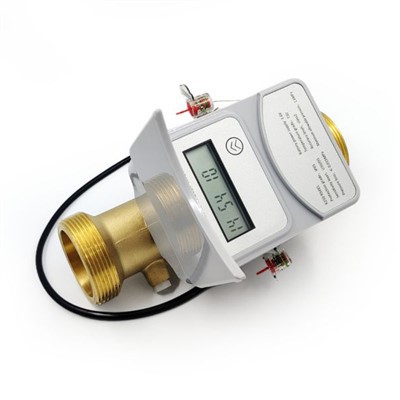
If you’re not comfortable doing calibration yourself, or if you need replacement parts or new vortex meters for your facility, our team is here to help. We don’t just sell meters—we support our customers through every step, from installation to calibration to maintenance. We offer both off-site calibration services for our existing meters, and on-site support for in-situ checks, tailored to your process needs. Whether you need a single meter for a small line or a full set for a new plant, we can provide calibrated, reliable vortex flow meters that fit your budget and requirements. Contact our team to discuss your flow measurement needs, and we’ll work with you to find the right solution for your operation.
Ultrasonic Level Meter References
- International Society of Automation (ISA). (2017). Measurement of Fluid Flow in Pipes Using Vortex Flowmeters. ISA Standard ANSI/ISA-TR7.2.0.2.
- Miller, R. W. (2011). Flow Measurement Engineering Handbook, 3rd Edition. McGraw-Hill.
- American National Standards Institute (ANSI). (2020). Performance Testing of Flow Measurement Devices. ANSI/ASME MFC-7M-2020.
- Spink, L. K. (2018). Principles and Practice of Flow Meter Engineering, 10th Edition. Foxboro Company.
Dalian Yheng Technology Co., Ltd.
Dalian Yheng Technology Co., Ltd. is one of the leading vortex flow meter manufacturers and suppliers in China, also supports customized service. We warmly welcome you to buy high quality vortex flow meter in stock here from our factory. Contact us for more details.
Address: F1605, NO.10 Huoju road, High-tech Industrial Zone, Dalian, China
E-mail: admin@dlyheng.com
WebSite: https://www.yhengphmeter.com/
