Hey there! I’m a supplier in the wire mesh game, and let me tell you, wire mesh is way more diverse than you might think. I’ve been in this business for years, and I’ve seen all kinds of wire mesh being used in different industries. So, today I wanna break down the different types of wire mesh with you. Wire Mesh
Welded Wire Mesh
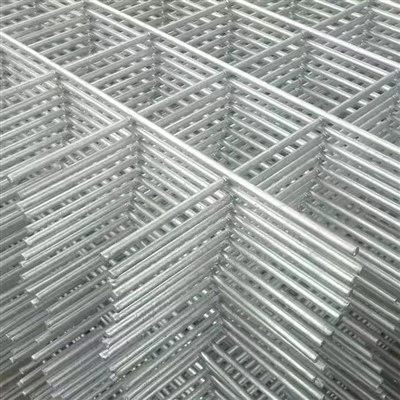
First up, we’ve got welded wire mesh. This one’s super popular, and for good reason. It’s made by welding the intersections of the wires together. You can use mild steel, stainless steel, or even galvanized steel to make it.
The thing I love about welded wire mesh is its strength and stability. The welded joints hold everything together tightly, so it can handle a lot of stress. It’s often used in construction for things like reinforcing concrete. You’ll see it in floors, walls, and foundations. When you pour concrete over the welded wire mesh, it adds extra strength to the structure, making it more durable and resistant to cracking.
It’s also great for fencing. Because it’s so strong, it can keep things in or out, whether you’re fencing in a backyard, a farm, or an industrial area. And since it’s available in different mesh sizes and wire diameters, you can customize it to fit your specific needs. For example, a smaller mesh size is better for keeping out small animals, while a larger one might be sufficient for keeping people or large livestock in.
Woven Wire Mesh
Next on the list is woven wire mesh. As the name suggests, it’s made by weaving the wires together. It has a very distinct pattern, which can be pretty cool-looking depending on the application.
There are different weaving methods, like plain weave, twill weave, and Dutch weave. Plain weave is the simplest and most common. The wires are woven over and under each other in a basic pattern. It’s great for general filtering and screening applications. For instance, in the food industry, it can be used to filter out impurities from liquids or to screen dry ingredients.
Twill weave is a bit more complex. The wires are woven in a way that creates a diagonal pattern. This type of weave makes the mesh stronger and more flexible than the plain weave. It’s often used in applications where you need a balance between strength and flexibility, like in sieves for mining or in some types of automotive filters.
Dutch weave is a special type where there are more warp wires than weft wires. It can create a very fine and precise mesh, which is ideal for applications that require high filtration efficiency, like in pharmaceutical manufacturing or in some scientific research labs.
Chain Link Wire Mesh
Chain link wire mesh is another well – known type. You’ve probably seen it all over the place, especially in security fencing. It’s made by interlocking a series of loops to form a diamond – shaped pattern.
One of the biggest advantages of chain link wire mesh is its affordability. It’s relatively cheap to produce, which makes it a popular choice for large – scale fencing projects. Whether you’re fencing a school playground, a sports field, or a large industrial site, chain link can get the job done without breaking the bank.
It’s also very easy to install. You can buy it in big rolls and just unroll it along the area you want to fence. And it’s pretty durable. The galvanized coating on the wire helps to protect it from rust and corrosion, so it can last a long time even in harsh outdoor conditions.
Expanded Metal Mesh
Expanded metal mesh is made by cutting and stretching a sheet of metal. This process creates a pattern of diamond – shaped or rectangular openings in the metal.
One of the unique features of expanded metal mesh is its strength – to – weight ratio. It’s very strong but also relatively light, which makes it great for applications where you need strength without adding a lot of weight. For example, it’s often used in catwalks and platforms in industrial settings. Workers can walk on it safely, and it can support equipment without being too heavy.
It’s also used in architectural applications. You can use it as decorative panels on the exterior of buildings or as partitions inside. The open pattern of the expanded metal mesh can add a modern and industrial look to any space.
Perforated Metal Mesh
Perforated metal mesh is created by punching holes in a sheet of metal. The size, shape, and pattern of the holes can be customized according to the specific requirements of the application.
This type of wire mesh is really versatile. In the automotive industry, it can be used as grilles for cars or trucks. The holes allow air to flow through while still providing a protective barrier. In the ventilation industry, it’s used in air diffusers and ductwork. The perforations help to distribute the air evenly and control the airflow.
It’s also popular in interior design. You can use perforated metal mesh as room dividers, wall panels, or even as backsplashes in kitchens. The different hole patterns can create interesting visual effects, adding a touch of style to the space.
Chicken Wire Mesh
Let’s not forget about chicken wire mesh. It’s a light – duty wire mesh that’s typically made of thin galvanized steel wires. It gets its name because it’s commonly used to make chicken coops.
But chicken wire is not just for chickens. You can use it for a variety of DIY projects around the house. For example, you can use it to make a trellis for climbing plants in your garden. The small holes of the chicken wire allow the plants to grip and grow up it easily. You can also use it to create a barrier to protect your flower beds from small animals like rabbits or squirrels.
It’s very easy to work with. You can cut it with a pair of wire cutters and bend it into the shape you need. And because it’s so affordable, you don’t have to worry about spending a lot of money on your DIY projects.
Barbed Wire Mesh
Finally, barbed wire mesh is designed for security and containment. It consists of a wire mesh with sharp barbs attached at regular intervals.
Barbed wire is commonly used in high – security areas like prisons, military bases, and industrial facilities. The barbs act as a deterrent, making it difficult for unauthorized people to climb over the fence. It’s also used on farms to keep livestock in and wild animals out.
But you have to be careful when handling barbed wire. The barbs can be very sharp and can cause serious injuries. So, it’s important to wear protective gloves and follow proper safety procedures when installing it.
As you can see, there are so many different types of wire mesh, each with its own unique properties and uses. Whether you’re in construction, agriculture, manufacturing, or just doing some DIY projects at home, there’s a wire mesh out there that’s perfect for your needs.
If you’re in the market for wire mesh, I’d love to talk to you about what you’re looking for. I’ve got a wide range of wire mesh products in different types, sizes, and materials. We can work together to find the best solution for your project. So, don’t hesitate to reach out if you want to discuss your wire mesh requirements and start a purchase negotiation.
Fiber Optic Raceway References
- Handbook of Metal Mesh and Wire Products
- Industrial Fencing and Mesh Applications Guide
- DIY Wire Mesh Projects Manual
Hebei Shenyi Metal Products Co., Ltd.
Hebei Shenyi Metal Products Co., Ltd. is one of the most professional wire mesh manufacturers and suppliers in China, featured by quality products and good service. Please rest assured to wholesale durable wire mesh in stock here and get free sample from our factory. Customized orders are welcome.
Address: Gengtun Industrial Zone, Gengtun Village, Xiliangwa Township, Anping County, Hengshui City, Hebei Province
E-mail: HBshenyi@outlook.com
WebSite: https://www.shenyimetal.com/
