Hey there! I’m a supplier of modified starch, and I often get asked about how we control the quality of our product. So, I thought I’d take a bit of time to share the ins and outs of our quality control process. It’s a topic that’s super important to me and my team because we want to make sure that every batch of modified starch that goes out meets the high standards our customers expect. Modified Starch
Understanding Modified Starch
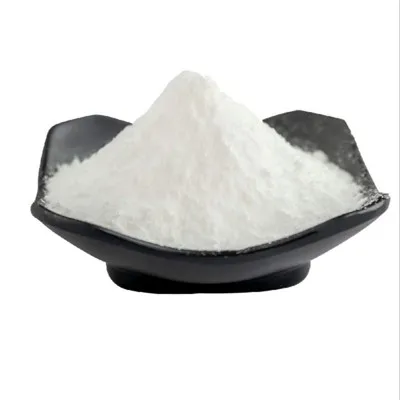
First off, let me quickly explain what modified starch is. It’s basically natural starch that’s been chemically, physically, or enzymatically treated to change its properties. This gives it a whole bunch of useful features like better stability, thicker consistency, and improved resistance to heat and cold. That’s why it’s used in so many different industries, from food and beverage to paper and textiles.
Starting with Raw Materials
The quality control process starts right at the beginning, with the raw materials. We source our starches from the best suppliers we can find. We’re talking about corn, potato, tapioca, and other great sources. We check these raw starches really closely to make sure they meet our quality specs. We look at things like the moisture content, the purity level, and the granular structure.
For example, the moisture content is a big deal. If it’s too high, the starch can start to go moldy or it might not have the right properties when we start processing it. So, we use precision equipment to measure the moisture and make sure it’s within the right range. And we test the purity by looking for any impurities like dirt, plant debris, or chemical residues. If there’s even a tiny bit of something that shouldn’t be there, we send that batch back to the supplier.
The Modification Process
Once we’ve got our high – quality raw starch, it’s time for the modification process. Now, this is where things can get a bit tricky because different types of modification require different conditions. Whether it’s cross – linking, substitution, or degradation, we need to keep everything under tight control.
For instance, in cross – linking, we use specific chemicals to link the starch molecules together. The amount of these chemicals, the reaction time, and the temperature all have to be spot – on. We have automated systems set up to control these variables. These systems are constantly monitoring and adjusting things like temperature and the flow rate of the reagents. And we take regular samples during the process to check how the modification is going. We look at things like the degree of substitution or cross – linking using sophisticated analytical techniques.
In – process Testing
Throughout the modification process, we do a whole heap of in – process testing. This is like a checkpoint to make sure everything is going as planned. We use a bunch of different tests, including some that are pretty technical.
One of the key tests is the viscosity test. Viscosity is a measure of how thick the starch solution is, and it’s a really important property in a lot of applications. We measure the viscosity at different temperatures and shear rates to see how the starch will behave under real – world conditions. If the viscosity isn’t right, we can make adjustments to the process right away.
We also do tests to check the gelatinization temperature. This is the temperature at which the starch granule starts to swell and lose its structure. It’s crucial for applications where the starch needs to thicken or form a gel at a specific temperature.
Packaging and Storage
After the modified starch is made, it’s time to package it up. We use high – quality packaging materials that protect the starch from moisture, light, and oxygen. Moisture is the enemy here because it can cause the starch to clump together and lose its properties. So, we use sealed bags or containers that are designed to keep the starch dry.
And when it comes to storage, we have strict guidelines. Our warehouses are kept at the right temperature and humidity levels. We also have a first – in, first – out (FIFO) system in place. This means that the oldest batches of starch are the first ones to be shipped out. That way, our customers always get fresh and high – quality products.
Final Product Testing
Before a batch of modified starch leaves our facility, it goes through a final round of testing. This is like a last – ditch effort to make sure everything is perfect. We test for all the important properties again, including viscosity, gelatinization temperature, moisture content, and pH.
We also do some microbiological testing to make sure there are no harmful bacteria or fungi in the product. This is especially important for food – grade modified starch. Our customers are using this stuff in edible products, so we need to be 100% sure it’s safe.
Quality Management System
We have a full – blown quality management system in place. It’s based on international standards, and it covers every aspect of our business, from raw material sourcing to customer service. We have a team of quality control experts who are constantly monitoring everything.
These guys and gals are on top of things like maintaining records of all our tests and inspections. They also make sure that we’re meeting all the regulatory requirements. In the food industry, there are a lot of rules and regulations about what can and can’t go into a product, and we’re extra careful to follow these to the letter.
Why Quality Control Matters
You might be wondering why we go to all this trouble. Well, the answer is simple. Quality is what sets us apart from our competitors. When our customers buy our modified starch, they’re relying on it to work exactly as it’s supposed to.
In the food industry, for example, consistent quality is crucial for product development. If the starch performs differently from batch to batch, it can ruin a recipe. In the paper industry, high – quality modified starch helps with paper strength and printability. So, by ensuring top – notch quality, we’re helping our customers make better products.
If You’re Interested in Buying
Soybean Fiber If you’re in the market for high – quality modified starch, I’d love to talk to you. Whether you’re in the food, paper, textile, or any other industry that uses modified starch, we’ve got the right product for you. Our quality control process means you can trust that you’re getting a reliable and consistent product every time. Reach out to me and let’s have a chat about your needs. We can work together to figure out the best type of modified starch for your application and discuss pricing and delivery options.
References
- "Starch: Chemistry and Technology" by Roy L. Whistler, James N. BeMiller, and Eugene F. Paschall
- "Food Starch and its Applications" edited by Y. Pomeranz
- Various industry standards and regulatory documents related to modified starch production.
Fudijia (Tianjin) Supply Chain Co., Ltd.
With abundant experience, we re one of the most professional modified starch manufacturers and suppliers in China. We warmly welcome you to wholesale bulk high quality modified starch made in China here from our factory. For more information, contact us now.
Address: 301-2-1C,Jin Bin Jie Zuo,No.98, Huanghai Road,TEDA, Tianjin, China
E-mail: foodchem@hjlfoods.com
WebSite: https://www.ifoodchem.com/
