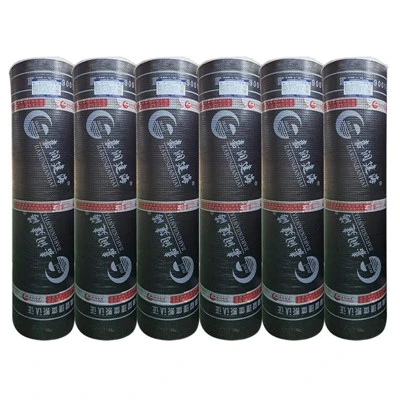
Hey there! I’m working as a supplier of waterproof membranes, and I’ve seen firsthand how tricky it can be to deal with corners when installing these membranes. Corners are those little trouble spots where water can easily sneak in if you don’t handle them right. In this blog, I’m gonna share some tips and tricks on how to handle corners when installing a waterproof membrane. Waterproof Membrane
Understanding the Importance of Corner Treatment
Corners are critical areas in waterproofing installations. They’re where the membrane has to make sharp bends and transitions, and that’s where stress points occur. If you don’t properly treat the corners, you’re setting yourself up for leaks down the road. Water can seep in through tiny gaps or weaknesses in the membrane at these corners and cause all sorts of problems, like water damage to the structure, mold growth, and other headaches.
Let’s take a look at a basement as an example. In a basement, the corners where the walls meet the floor are especially vulnerable. Rainwater or groundwater can accumulate around the foundation, and if the waterproof membrane isn’t correctly installed at these corners, that water can find its way inside. So, getting corner treatment right is super important.
Preparing the Corners
Before you start applying the waterproof membrane, you need to make sure the corners are in tip – top shape. First off, clean the corners thoroughly. Use a wire brush or a high – pressure air nozzle to remove any dirt, dust, debris, or loose particles. You don’t want anything getting in the way of the membrane adhering properly.
Next, check for any cracks or unevenness in the corners. If you find cracks, you’ll need to fill them with an appropriate filler material. For small cracks, a crack filler paste will do the job. For larger cracks, you might need to use a more substantial epoxy – based filler. Make sure the filler is completely dry and smooth before moving on to the next step.
Also, if the corners are too sharp, it’s a good idea to round them off slightly. You can do this by using a grinder or a sanding block. Rounding the corners helps the membrane to bend more smoothly around them, reducing the chances of it cracking or tearing during installation.
Choosing the Right Membrane for Corners
Not all waterproof membranes are created equal when it comes to corner installation. There are different types of membranes available, such as sheet membranes, liquid – applied membranes, and spray – applied membranes.
Sheet membranes can be a good choice for corners, especially if they’re flexible. They come in pre – cut sheets, and you can cut them to fit the corners precisely. Some sheet membranes even have special adhesive backing that makes them easy to apply. However, they can be a bit tricky to handle around corners because you need to make sure they’re properly aligned and smoothed out to prevent wrinkles.
Liquid – applied membranes are another option. They can be easily brushed or rolled onto the corners, providing a seamless finish. Liquid membranes can conform to the shape of the corner better than sheet membranes in some cases. But they do take time to dry, and you need to make sure the application is even to avoid thin spots where water could penetrate.
Spray – applied membranes are great for large – scale projects. They can cover the corners quickly and evenly. However, they require specialized equipment and experienced applicators. If not applied correctly, overspray can be an issue, and it might not provide the same level of precision as other types of membranes.
Installing the Membrane at Corners
Once you’ve prepared the corners and chosen the right membrane, it’s time to start the installation process.
If you’re using a sheet membrane, start by measuring and cutting the membrane to fit the corner. Leave a little extra material at the edges to allow for overlapping. Before applying the membrane, peel off the protective backing (if it has one) on one side. Then, carefully place the membrane in the corner, starting from the bottom and working your way up. Use a roller to smooth out the membrane and remove any air bubbles. Make sure the membrane adheres firmly to the surface.
For corners where two walls meet, you’ll need to make a 90 – degree fold in the membrane. To do this properly, cut the membrane at a 45 – degree angle at the corner. Then, fold the membrane along the cut edge to create a neat 90 – degree bend. This will help to ensure a tight fit and prevent water from seeping in through the corner.
When using a liquid – applied membrane, start by applying a primer to the corner. The primer helps the membrane to adhere better to the surface. Once the primer is dry, use a paintbrush or a roller to apply the liquid membrane in thin, even coats. Make sure to work the membrane into the corner and around any edges. You might need to apply multiple coats, depending on the manufacturer’s instructions, allowing each coat to dry completely before applying the next one.
With spray – applied membranes, follow the manufacturer’s guidelines for setting up the spraying equipment. Make sure the spray pattern is adjusted correctly to cover the corner evenly. Hold the spray gun at the right distance from the surface to ensure an even application. Move the spray gun smoothly and steadily to avoid uneven coverage.
Overlapping and Sealing
Overlapping the membrane at the corners is crucial for creating a watertight seal. When using sheet membranes, overlap the edges of the membrane by at least a few inches. You can use a special membrane adhesive to secure the overlapping sections. Make sure the adhesive is spread evenly and that the overlapping area is smooth and free of air bubbles.
For liquid – applied and spray – applied membranes, the overlapping is usually done by creating a seamless transition between the areas covered. When applying additional coats, make sure to extend the application slightly beyond the previous coat to ensure proper overlapping.
After the membrane is installed, you can also use a sealant along the edges of the corners for extra protection. A high – quality silicone or polyurethane sealant can be applied to fill any small gaps or reinforce the waterproofing at the corners.
Quality Checks
Once the membrane is installed and the sealant is in place, it’s important to do a quality check. Inspect the corners carefully to make sure there are no visible wrinkles, bubbles, or gaps in the membrane. Look for any areas where the membrane might not be adhering properly.
You can also perform a simple water test. Pour a small amount of water into the corner and let it sit for a while. Check for any signs of water seepage or leakage. If you find any issues, you’ll need to address them right away, such as reapplying the membrane or sealant in the affected area.
Final Thoughts and Call to Action
Handling corners when installing a waterproof membrane might seem like a daunting task, but with the right preparation, the right materials, and the right techniques, you can do it successfully. Remember, taking the time to get the corners right is an investment in the long – term performance of your waterproofing system.
If you’re in the market for high – quality waterproof membranes for your next project, we’ve got you covered. As a leading waterproof membrane supplier, we offer a wide range of products to meet your specific needs. Whether you need sheet membranes for a small DIY project or spray – applied membranes for a large commercial building, we’ve got the right solution.
Waterproof Coating If you have any questions about our products or need advice on corner installation, don’t hesitate to reach out. We’re here to help you make your waterproofing project a success. Contact us to start a conversation about your requirements and let’s work together to find the perfect waterproofing solution for you.
References
- "Waterproofing Handbook" by Building Waterproofing Association
- Manufacturer’s installation guides for various waterproof membranes
Dingzhou Jiarun Jianhai Waterproof Materials Co., Ltd.
As one of the most professional waterproof membrane manufacturers and suppliers in China, we offer a wide range of products with superior quality. Please feel free to wholesale customized waterproof membrane made in China here from our factory. Also, pricelist is available.
Address: Shijiatuan, Mingyuedian Town, Dingzhou City, Baoding City, Hebei Province
E-mail: Jrjh16888@163.com
WebSite: https://www.jrjhwp.com/
