Automotive grade MOSFETs (Metal-Oxide-Semiconductor Field-Effect Transistors) are vital components in modern vehicles, used in a wide range of applications from power management to motor control. However, like any electronic component, they can encounter problems. As a leading supplier of automotive grade MOSFETs, I’ll share some insights on how to troubleshoot common issues with these devices. Automotive Grade MOSFETs
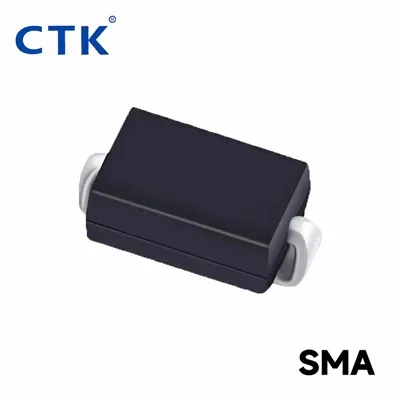
Understanding the Basics of Automotive Grade MOSFETs
Before diving into troubleshooting, it’s essential to understand the basics of automotive grade MOSFETs. These MOSFETs are designed to meet the stringent requirements of the automotive industry, including high reliability, wide temperature ranges, and resistance to electrical and mechanical stress.
Automotive grade MOSFETs come in different types, such as N-channel and P-channel. N-channel MOSFETs are commonly used in high-side and low-side switching applications, while P-channel MOSFETs are often used in high-side switching. The key parameters of MOSFETs include drain-source resistance (RDS(on)), gate threshold voltage (VGS(th)), and maximum drain current (ID).
Common Problems and Troubleshooting Steps
Overheating
One of the most common problems with automotive grade MOSFETs is overheating. Overheating can be caused by several factors, including excessive power dissipation, poor heat sinking, or high ambient temperatures.
Troubleshooting Steps:
- Check the Power Dissipation: Calculate the power dissipation of the MOSFET using the formula P = I²RDS(on), where I is the drain current and RDS(on) is the drain-source resistance. If the power dissipation exceeds the maximum rating of the MOSFET, it can lead to overheating. Consider using a MOSFET with a lower RDS(on) or reducing the drain current.
- Inspect the Heat Sink: A proper heat sink is crucial for dissipating heat from the MOSFET. Check if the heat sink is properly installed and has good thermal contact with the MOSFET. If necessary, clean the heat sink and apply thermal paste to improve heat transfer.
- Monitor the Ambient Temperature: High ambient temperatures can also contribute to overheating. Ensure that the MOSFET is installed in a well-ventilated area and that the ambient temperature is within the specified range.
Excessive Drain-Source Resistance
An increase in the drain-source resistance (RDS(on)) can indicate a problem with the MOSFET. This can be caused by factors such as aging, overheating, or electrical stress.
Troubleshooting Steps:
- Measure the RDS(on): Use a multimeter to measure the RDS(on) of the MOSFET. Compare the measured value with the datasheet specification. If the measured RDS(on) is significantly higher than the specified value, the MOSFET may be damaged.
- Check for Overheating: As mentioned earlier, overheating can cause an increase in RDS(on). Follow the troubleshooting steps for overheating to address this issue.
- Inspect for Electrical Stress: Electrical stress, such as overvoltage or overcurrent, can also damage the MOSFET. Check the circuit for any signs of electrical stress and ensure that the MOSFET is operating within its specified voltage and current limits.
Gate Threshold Voltage Issues
The gate threshold voltage (VGS(th)) is the minimum voltage required to turn on the MOSFET. If the VGS(th) is too high or too low, it can affect the performance of the MOSFET.
Troubleshooting Steps:
- Measure the VGS(th): Use a multimeter to measure the VGS(th) of the MOSFET. Compare the measured value with the datasheet specification. If the measured VGS(th) is outside the specified range, the MOSFET may be defective.
- Check the Gate Drive Circuit: The gate drive circuit is responsible for providing the appropriate voltage to the gate of the MOSFET. Check the gate drive circuit for any issues, such as incorrect voltage levels or poor signal integrity.
- Inspect for Noise and Interference: Noise and interference can affect the gate threshold voltage. Ensure that the gate drive circuit is properly shielded and that there are no sources of noise or interference in the vicinity.
Short Circuit
A short circuit in the MOSFET can cause significant damage to the device and the surrounding circuit. A short circuit can be caused by factors such as overvoltage, overcurrent, or physical damage to the MOSFET.
Troubleshooting Steps:
- Isolate the MOSFET: Disconnect the MOSFET from the circuit and check for a short circuit using a multimeter. If a short circuit is detected, the MOSFET is likely damaged and needs to be replaced.
- Check the Circuit for Overvoltage and Overcurrent: Overvoltage and overcurrent can cause a short circuit in the MOSFET. Check the circuit for any sources of overvoltage or overcurrent and take appropriate measures to protect the MOSFET.
- Inspect for Physical Damage: Physical damage to the MOSFET, such as a cracked package or bent pins, can also cause a short circuit. Inspect the MOSFET for any signs of physical damage and replace it if necessary.
Preventive Measures
In addition to troubleshooting problems, it’s important to take preventive measures to ensure the reliable operation of automotive grade MOSFETs.
- Proper Selection: Choose the right MOSFET for the application based on the requirements such as voltage, current, and power dissipation. Refer to the datasheet for detailed specifications and guidelines.
- Thermal Management: Ensure proper heat sinking and thermal management to prevent overheating. Use appropriate heat sinks and thermal paste, and ensure that the MOSFET is installed in a well-ventilated area.
- Electrical Protection: Implement electrical protection measures such as overvoltage protection, overcurrent protection, and surge protection to prevent damage to the MOSFET.
- Quality Control: Source MOSFETs from reputable suppliers and perform quality control checks to ensure that the devices meet the required specifications.
Conclusion
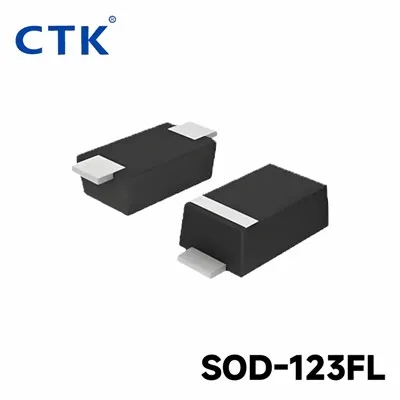
Troubleshooting problems with automotive grade MOSFETs requires a systematic approach and a good understanding of the device’s operation and characteristics. By following the troubleshooting steps outlined in this blog and taking preventive measures, you can ensure the reliable operation of automotive grade MOSFETs in your applications.
Switching Diode As a trusted supplier of automotive grade MOSFETs, we are committed to providing high-quality products and technical support. If you are experiencing problems with your automotive grade MOSFETs or need assistance in selecting the right device for your application, please feel free to contact us for a consultation. We look forward to working with you to meet your automotive electronics needs.
References
- "MOSFET Handbook" by International Rectifier
- "Automotive Electronics Handbook" by Springer
Tongke Electronic Co., Ltd
Tongke Electronic Co., Ltd. is one of the most experienced automotive grade mosfets manufacturers and suppliers in China, featured by quality products and low price. Please rest assured to wholesale advanced automotive grade mosfets made in China here from our factory. Contact us for pricelist.
Address: No.3,Chayuan Rd, Street 3, AilingKan, Dalingshan, Dongguan, Guangdong, China.
E-mail: jack@ctk-elec.com
WebSite: https://www.ctkchip.com/
